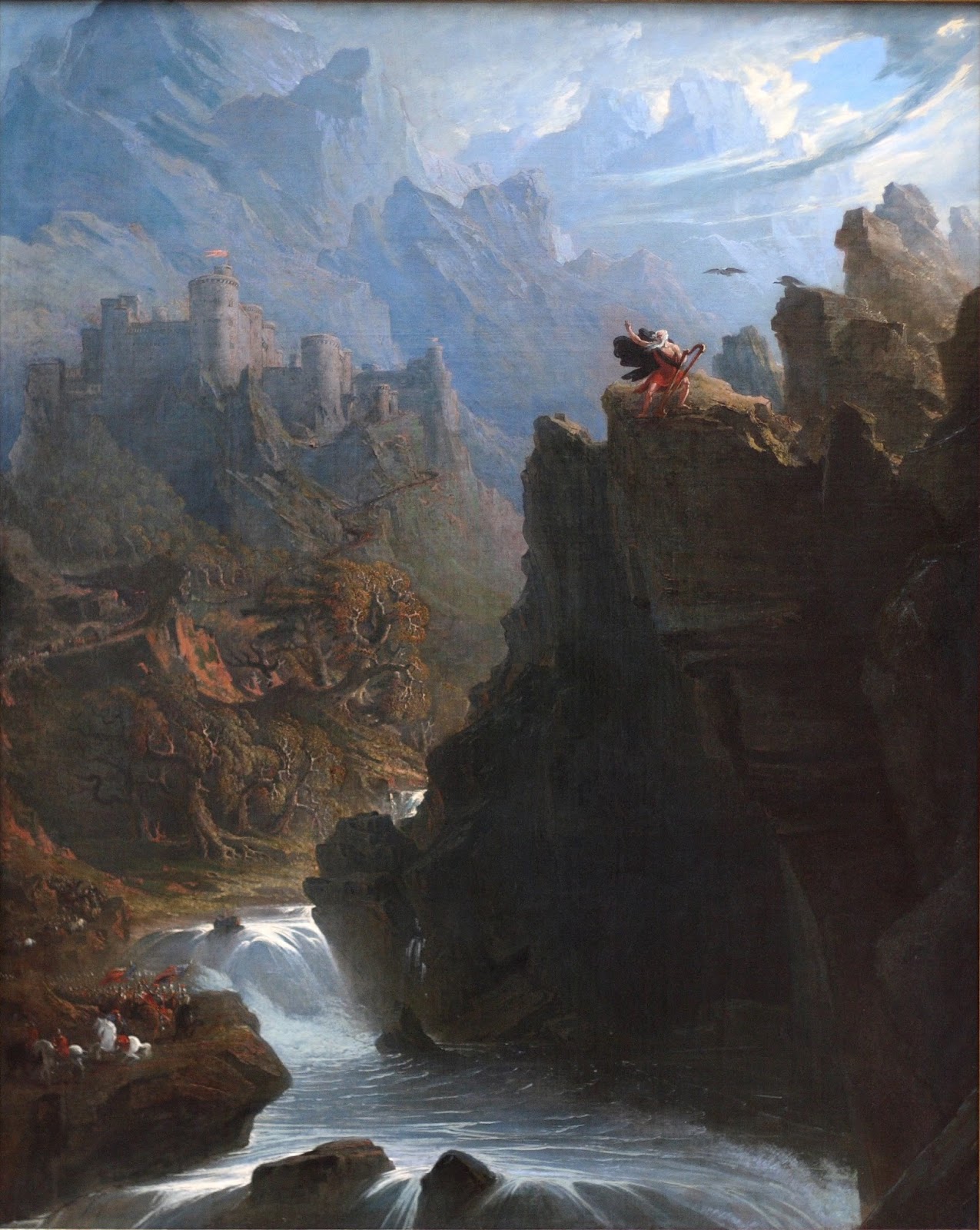
We live by stories. Our
first and best teachers, in our lives and in the evolution of our kind,
instruct and inspire by telling stories. Story is our shortest route to the
meaning of things, and our easiest way to remember and carry the meaning we
discover. A good story lives inside and outside time, and gives us
keys to a world of truth beyond the world of fact.
Consciously
or unconsciously, our lives are directed by stories. If we are not aware that
we are living a story, it's likely we are stuck inside a narrow and constricted
one, a story bound tight around us by other people's definitions and
expectations. When we reach, consciously, for a bigger life story, we put
ourselves in touch with tremendous sources of healing, creativity and courage.
How do
we find the bigger story in our lives? The answer is easier than we might
think. The First People of my native Australia say that the big stories are
hunting the right people to tell them.. All we need do is put ourselves in
places where we can be found.
J.M.G.
Clézio dedicated his Nobel prize for literature to a storyteller of
the rainforest of Darien, a woman who roamed from house to house spinning magic
words in return for a meal or a drink. In his acceptance speech, Le Clézio
painted a vivid word-picture of Elvira: “I quickly realized that she was a
great artist, in the best sense of the term. The timbre of her voice, the
rhythm of her hands tapping against her chest, against her heavy necklaces of
silver coins, and above all the air of possession which illuminated her face
and her gaze, a sort of measured, rhythmic trance, exerted a power over all
those who were present. To the simple framework of her myths...she added her
own story, her life of wandering, her loves, the betrayals and suffering, the
intense joy of carnal love, the sting of jealousy, her fear of growing old, of
dying. She was poetry in action, ancient theatre, and the most contemporary of
novels all at the same time.”
Is it too late to hope that we can bring back storytelling in our modern urban consumer society? I think not. As we practice telling our dreams and the stories of our life experiences simply and vividly we become bards and griots and storytellers without labor. The first step in the Lightning Dreamwork game requires us to encourage whoever is ready to tell a dream (or, for that matter, any life experience) to tell it simply and clearly, without background or analysis or interruption or reading from notes. We give undivided attention for the duration of the telling, and require the teller not to miss the opportunity to claim her audience.
Is it too late to hope that we can bring back storytelling in our modern urban consumer society? I think not. As we practice telling our dreams and the stories of our life experiences simply and vividly we become bards and griots and storytellers without labor. The first step in the Lightning Dreamwork game requires us to encourage whoever is ready to tell a dream (or, for that matter, any life experience) to tell it simply and clearly, without background or analysis or interruption or reading from notes. We give undivided attention for the duration of the telling, and require the teller not to miss the opportunity to claim her audience.
“The world can’t end,”
writes Michael Meade in The World Behind the World, “unless it runs
out of stories. For this world is made of stories, each tale a part of an
eternal drama being told from beginning to end over and over again. As long as
all the stories don’t come to an end the world will continue.”
Scheherezade
tells stories so she may live through another night, and tells them so well she
turns a monstrous tyrant into a decent human being.
In Healing Fictions, James Hillman explains how effective therapy is an exercise in storytelling. “Psychoanalysis is a work of imaginative tellings in the realm of poesis, which means simply “making”, and which I take to mean the making of imagination into words. Our work more specifically belongs to the rhetoric of poesis, by which I mean the persuasive power of imagining in words, an artfulness in in speaking and hearing, writing and reading.”
In Healing Fictions, James Hillman explains how effective therapy is an exercise in storytelling. “Psychoanalysis is a work of imaginative tellings in the realm of poesis, which means simply “making”, and which I take to mean the making of imagination into words. Our work more specifically belongs to the rhetoric of poesis, by which I mean the persuasive power of imagining in words, an artfulness in in speaking and hearing, writing and reading.”
True shamans
have known this for millennia.The shamans who interest me are one who heal
bodies and souls, and our experience of the world, by telling better stories
about them
The Irish storyteller beautifully evoked by Ruth Sawyer in The Way of the Storyteller tells stories so “each may find something for which his soul had cried out.” Or “to keep the heart warm in a country far from home.”
The Irish storyteller beautifully evoked by Ruth Sawyer in The Way of the Storyteller tells stories so “each may find something for which his soul had cried out.” Or “to keep the heart warm in a country far from home.”
You must
know your story and tell your story and have your story received. This is a
central teaching of the Sefer Yetzirah, a seminal text of Kabbalah.
Learn to do that, and you can survive the worst nightmares of history, and bring heart and healing to others.
Learn to do that, and you can survive the worst nightmares of history, and bring heart and healing to others.

Text adapted from Active Dreaming by Robert Moss. Published by New World Library.